
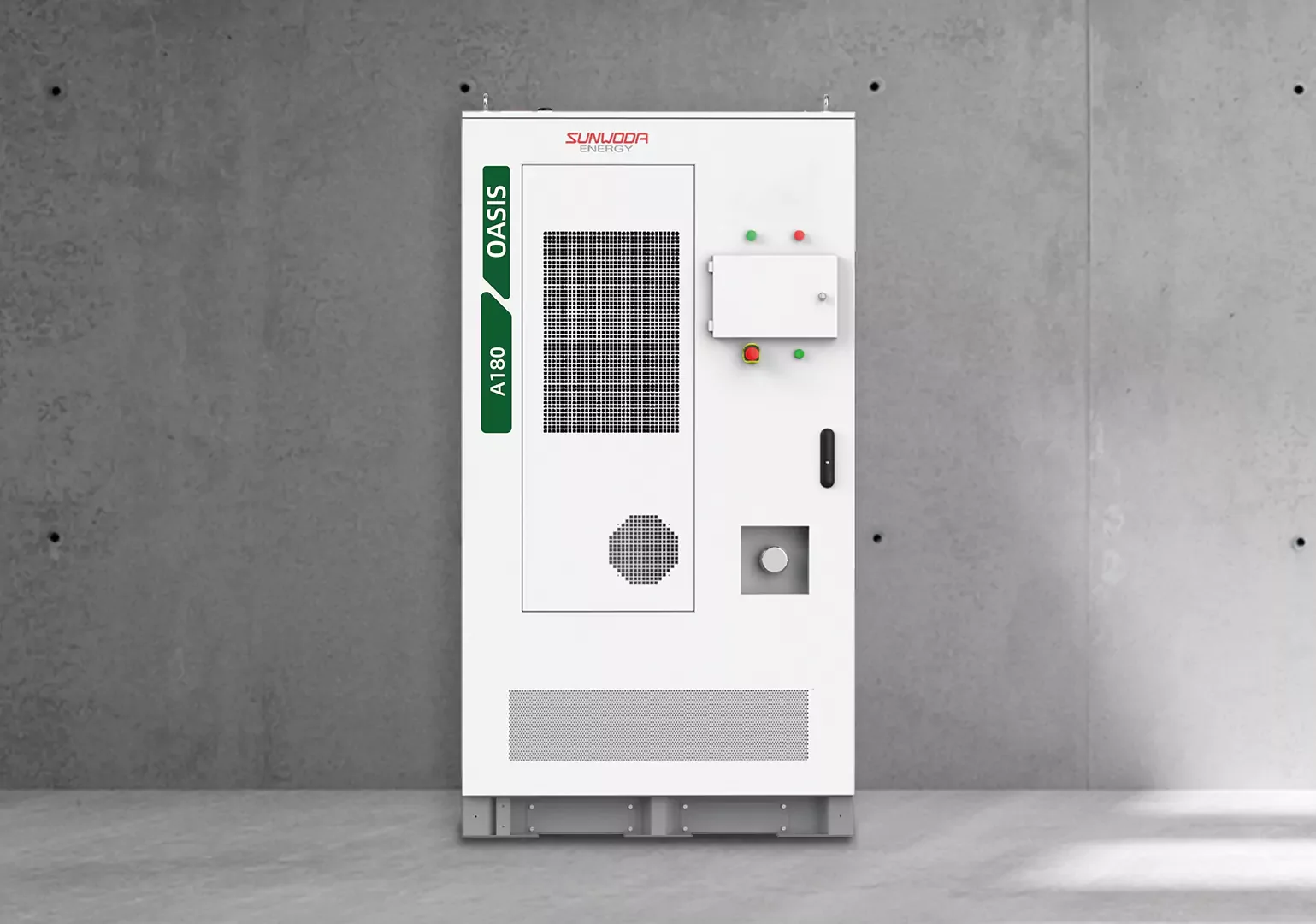
Battery Energy Storage System (BESS)
Battery storage is used to store electrical energy and use it when it is most needed. It ensures stability during outages, saves money, and increases energy independence.
-
Lower electricity costs
BESS accumulates cheap energy, which it supplies to the grid during periods of high consumption. This allows you to reduce your quarter-hourly maximums and thus also the maximum reserved capacity with your distributor.
-
New source of income
BESS can generate profit by providing power balancing services (SVR) or trading on the spot market, where it accumulates cheap energy, which it then sells back to the grid at a profit.
-
Backup power source
In the event of a distribution network failure, BESS immediately takes over the power supply to key technologies. It thus ensures continuity of operation, preventing financial losses resulting from unexpected production interruptions.
-
Support for renewable energy sources
Instead of discharging excess energy from renewable sources, BESS stores this energy for later use. This significantly increases consumption from your own sources while reducing dependence on the distribution network.
-
Support for electromobility
BESS effectively balances the peak loads caused by charging station operations. It enables fast charging without overloading the grid, ensuring sufficient energy for the smooth operation of all other technologies.
-
Island operation
BESS enables local networks to operate in island mode without the need for connection to the distribution system. This ensures complete energy self-sufficiency even in locations without available infrastructure.
Typical applications
-

Industry and manufacturing
-

Logistics and warehouses
-

Administration and retail
-

Critical infrastructure
Flexible solutions
-
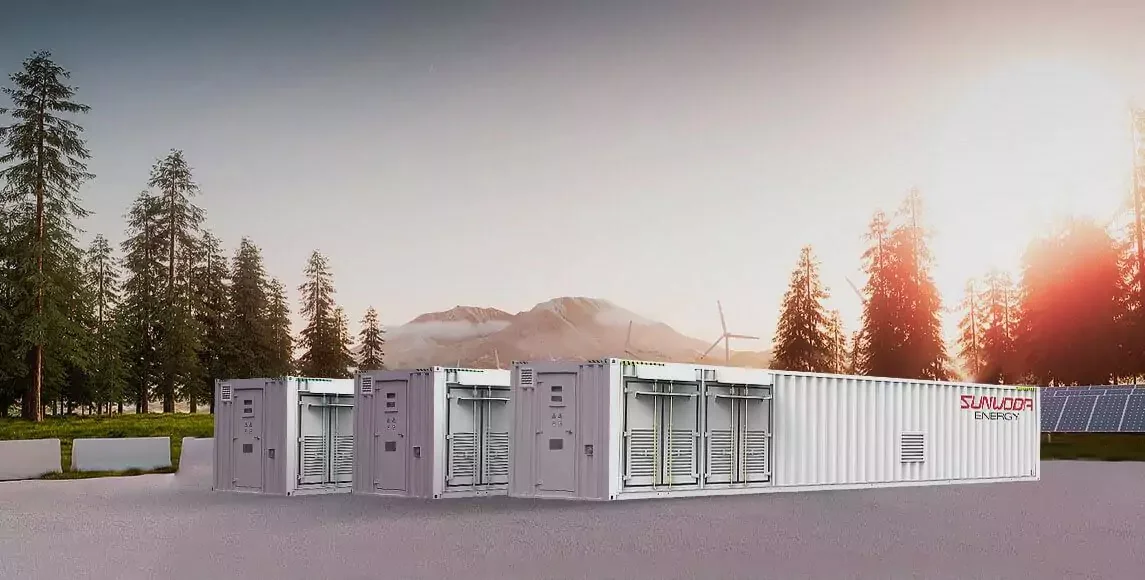
Containers
-
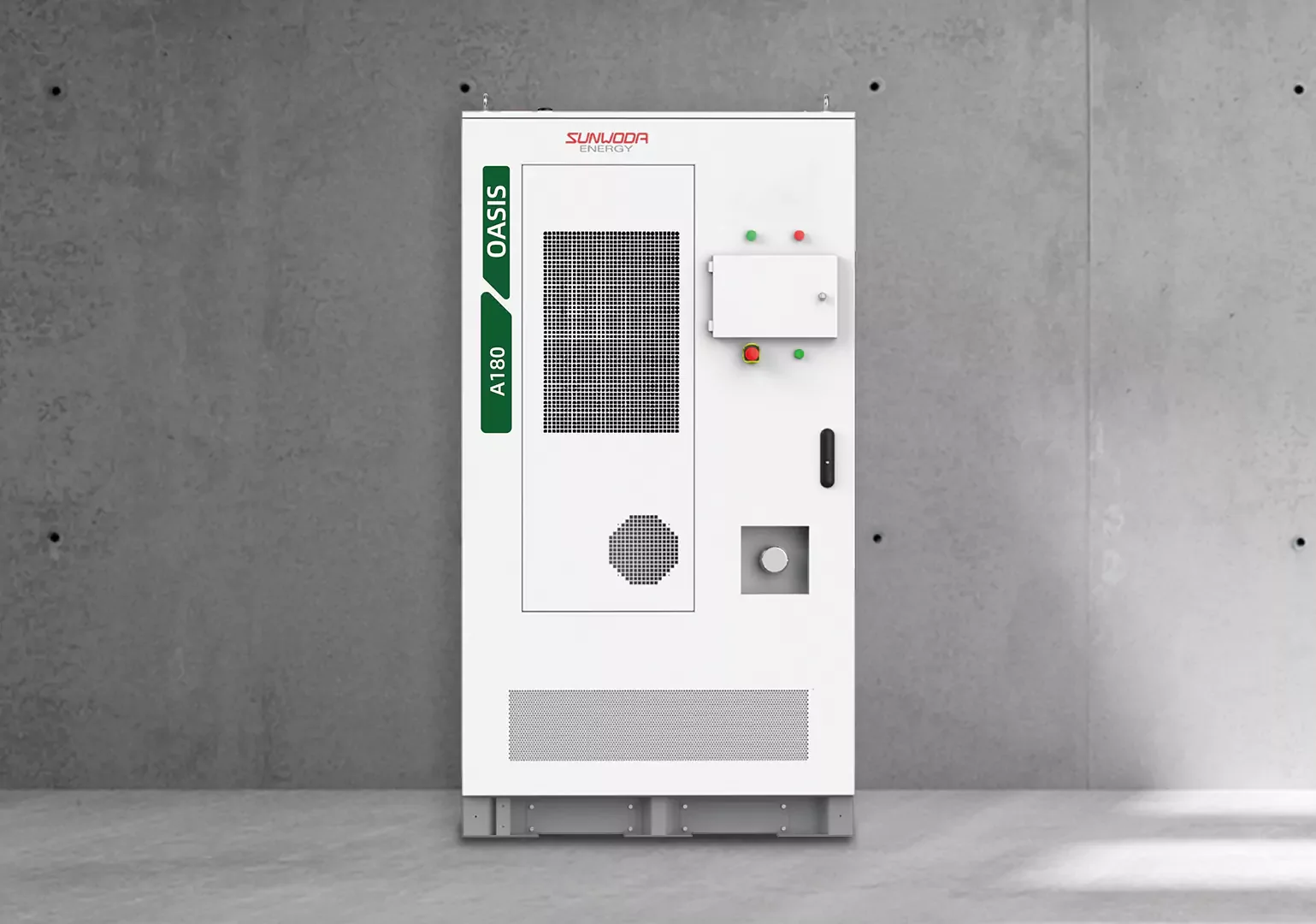
Cabinets
System architecture
BAT
SUNWODA
The battery section is the actual energy storage facility. It consists of cells grouped into modules and racks, which are located in a cabinet or container. This is where electricity is physically stored and remains ready for use.
In practice, this means that if a company has surplus energy during the day—for example, from its own photovoltaic system or during off-peak hours—the system stores it here. When energy is needed or more expensive, the battery returns it back into operation.
BMS
SUNWODA
A battery management system is a control and protection system for batteries. It monitors the voltage, temperature, and current in individual parts of the storage unit and ensures that the battery operates safely and within the optimal range. It protects the battery from overheating, overcharging, or deep discharge, which has a significant impact on the service life and stability of the system.
In practice, the BMS continuously evaluates the condition of the battery and adjusts its operation so that the system functions reliably even when the load fluctuates or conditions change.
PCS
SUNWODA
A power conversion system is a bidirectional converter that transfers energy between the battery and the electrical grid. The battery stores energy in direct current (DC) form, while the company's operations run on alternating current (AC). The PCS provides conversion in both directions – during charging and discharging.
In practice, this allows the stored energy to cover the company's consumption, reduce power peaks, or respond to the demands of the distribution network.
EMS
PROHEAVY
An energy management system is a higher-level control system that decides when and how a battery should be charged or discharged. It works with data on consumption, production, energy prices, or reserved capacity and optimizes operation according to a predefined strategy.
In practice, this means that the system can automatically reduce peaks, store surpluses from production, or respond to market price signals. This gives the company greater control over costs and how its energy actually works.

Our solutions are based on technology from Sunwoda Energy. We chose this partnership because they are a world leader with nearly 30 years of experience. Their batteries power everything from smartphones to large industrial plants. Thanks to this partnership, we build every solution on technology proven by millions of users around the world.

Technology is only the hardware foundation. For battery storage to be usable at all, it requires intelligent management. This forms the real brain of the entire solution, which we fully customize to the specific type of operation and its specific energy profile. It is thanks to our software that the system can effectively fulfill its purpose in real time and respond to the needs of the given facility.
Are you considering purchasing battery storage?
We would be happy to meet with you, without obligation, to discuss your options.